The Reserve Bank of India (RBI) has brought its rules for cash withdrawals through automated teller machines and merchant point-of-sale terminals under a single framework. The Reserve Bank of India (Cash Withdrawal Transactions through Automated Teller Machines and Point of Sale Terminals) Directions, 2026 took effect immediately on 27 November 2026, replacing instructions spread across 17 earlier circulars.
For customers, the framework brings together the rules covering free ATM transactions, charges after the free entitlement, cash withdrawals authorised through UPI and safeguards for failed transactions. It also sets out the conditions under which cash can be withdrawn at a merchant’s PoS terminal using a debit card, a full-KYC prepaid instrument or UPI.
What ATM users can expect
Savings account holders must receive at least five free transactions every month at their own-bank ATMs. The entitlement covers both cash withdrawals and non-financial transactions. At other banks’ ATMs, customers must receive at least three free transactions in six metro centres and at least five in non-metro centres. Where customers use both metro and non-metro locations, the combined free entitlement is capped at five transactions.
Cash withdrawals at an ATM are limited to ₹10,000 per transaction. Once the applicable free entitlement has been used, a bank may charge up to ₹23 per transaction, plus applicable taxes. Banks must alert customers about the number of free transactions already used and any possible charges for subsequent transactions.
| Access point | Key limit or charge |
|---|---|
| Own-bank ATM | At least five free transactions a month |
| Other-bank ATM | At least three in six metro centres and five in non-metro centres |
| ATM cash withdrawal | ₹10,000 per transaction |
| ATM beyond free entitlement | Up to ₹23 per transaction plus applicable taxes |
| Merchant PoS cash withdrawal | ₹2,000 per transaction and ₹10,000 a month |
UPI can authorise cardless ATM withdrawals
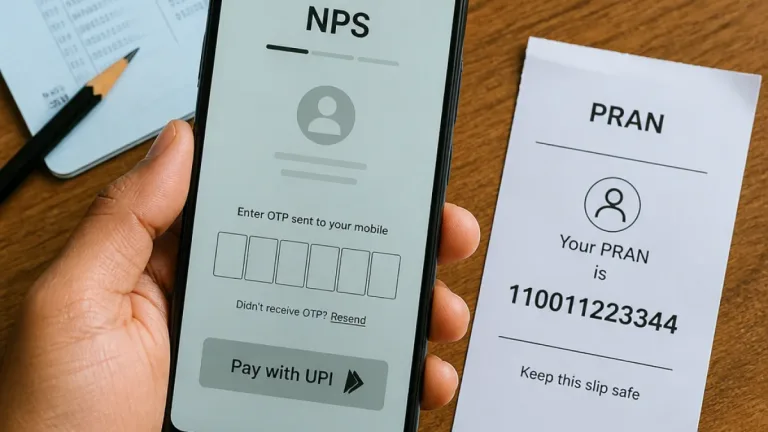
Banks, ATM networks and white-label ATM operators may offer interoperable, cardless cash withdrawals using UPI for authorisation. This is an option that participating providers can make available, and regular ATM withdrawal limits will apply. The framework therefore recognises UPI not only as a way to make payments but also as a possible authorisation method for accessing cash at supported ATMs.
Separate limits apply at merchant terminals
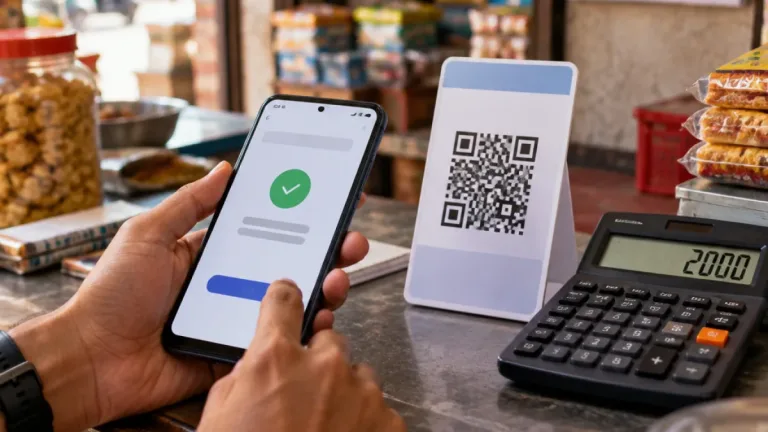
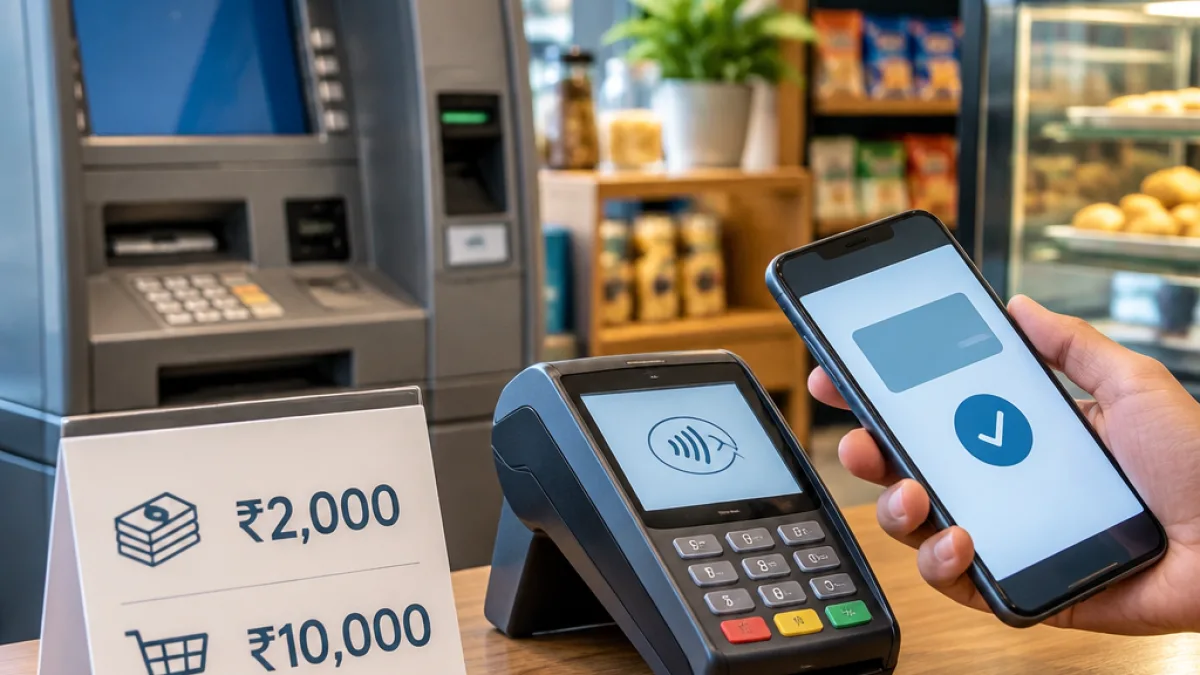
Cash withdrawal at a merchant’s PoS terminal is subject to a different set of limits. The facility is capped at ₹2,000 per transaction and ₹10,000 per month across locations. Any customer charge cannot exceed 1 per cent of the amount withdrawn.
A PoS cash withdrawal must be available without requiring the customer to make a purchase where the bank offers the facility. This distinguishes the service from a purchase-linked transaction and gives customers access to the cash-withdrawal facility on its own, subject to the stated limits and the bank’s availability of the service.
Failed ATM transactions and customer protection
An ATM transaction that fails because of a technical issue, unavailable cash or another specified decline must not be treated as a valid transaction for charging purposes. It must therefore not consume a free transaction entitlement. The Directions also require banks to display information about cash access and the applicable rules, helping customers understand when a transaction may be counted or charged.
- ATM users: free monthly entitlements and charges are now presented within one RBI framework.
- UPI users: participating ATMs may support cardless withdrawals authorised through UPI.
- PoS users: cash withdrawal is capped at ₹2,000 per transaction and ₹10,000 per month, with charges limited to 1 per cent.
The consolidated Directions make the rules easier for banks, ATM operators, payment-system providers and customers to apply together. The actual availability of UPI-enabled ATM withdrawals and merchant PoS cash access will depend on whether the relevant bank or operator offers those facilities.