Volkswagen AG has put a temporary hold on additional spending for its electric‑vehicle programme in India as it awaits greater clarity over a possible partnership with the JSW Group, Bloomberg reported on 24 October 2026. The automaker has completed preliminary design work for a proposed project based on a lower‑cost EV architecture developed for China, but says it needs a clearer commercial plan before committing further funds, Bloomberg added.
What Volkswagen has said and why it matters
According to Bloomberg, the pause does not amount to a cancellation of Volkswagen’s India plans. Instead, the company is holding back fresh investment until negotiations with JSW and the business case for local production are clearer. The decision comes amid a global drive by Volkswagen to reduce spending, which includes a target to cut development costs by about 15% and plans to eliminate “tens of thousands” of jobs as it grapples with weak demand in Europe and mounting competition from Chinese automakers.
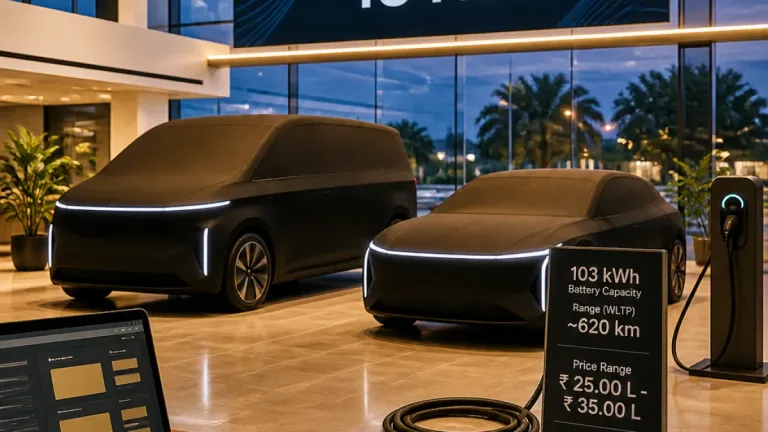
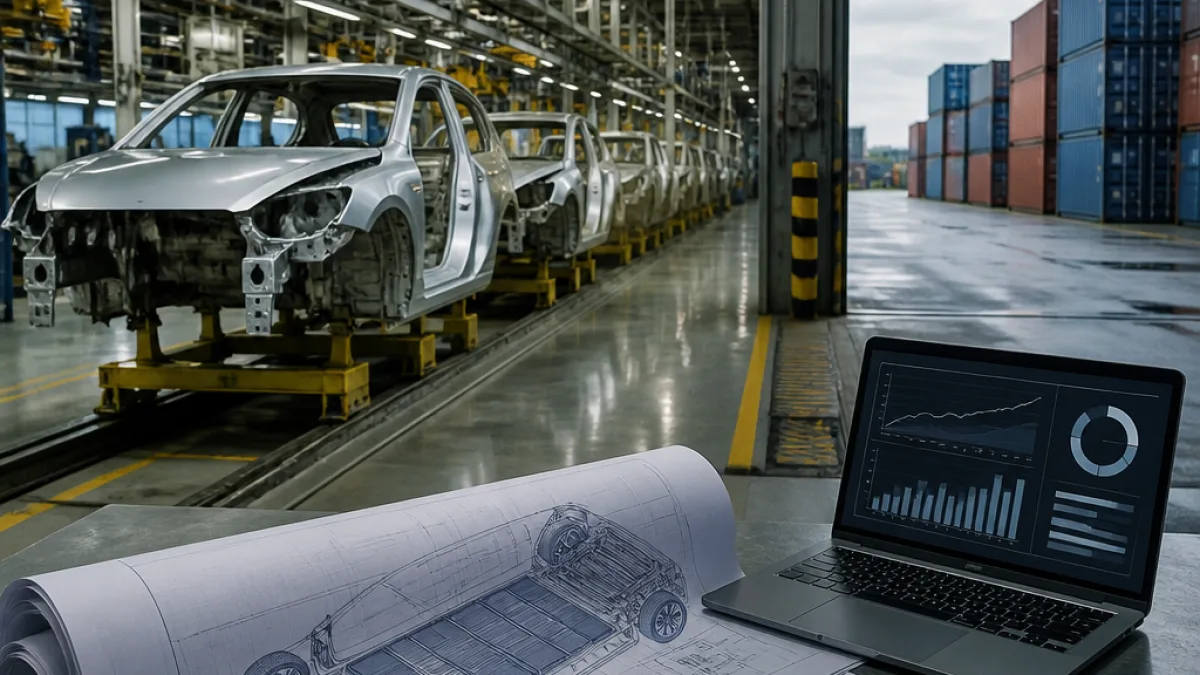
For India, the move raises immediate questions about timing, localisation and the platform Volkswagen would use for any locally produced model. The company has reportedly considered using a lower‑cost electric‑vehicle architecture originally developed for China, which could help reduce development and manufacturing costs if adopted in India.
What the Volkswagen‑JSW proposal could include
Volkswagen and JSW Group announced last month that they were exploring a venture to develop, manufacture and market passenger vehicles in India and for export. Bloomberg’s reporting suggests the partnership is intended to provide the industrial scale, local know‑how and capital structure that would make an India EV programme commercially viable under current market conditions.
- Design work completed: Volkswagen has finished preliminary designs for an India programme that could reuse a China‑developed EV architecture.
- Investment on hold: Additional spending is paused pending a clearer partnership and commercial plan with JSW.
- Cost pressures: The decision is part of a wider Volkswagen effort to cut costs and respond to softer demand and intensified competition.
Implications for India’s EV market
A pause in Volkswagen’s investment timetable could affect several areas of the Indian EV ecosystem: supply‑chain localisation, factory planning, supplier orders and the competitive landscape. If a tie‑up with JSW proceeds, it could speed up decisions on factories, components sourcing and export orientation. If talks stall, Volkswagen may defer or scale down plans, leaving room for other global and Chinese brands already accelerating in India.
| Area | Potential impact |
|---|---|
| Local manufacturing | Delayed investments or conditional on JSW tie‑up; use of CBU imports more likely in short term |
| Platform choice | Lower‑cost China‑origin architecture under consideration; final decision depends on partner and business plan |
| Competition | Gives established Chinese and local competitors time to strengthen market share if Volkswagen delays |
The pause also reflects broader industry dynamics: global automakers are reworking EV strategies amid squeezed margins, varied regional demand and the need for scale to justify significant investments in new electric platforms. For India, where cost sensitivity and localisation requirements are high, partnerships with industrial groups such as JSW could determine whether a global OEM pursues local production or opts for CBU imports and limited market participation.
Bloomberg’s report frames the decision as a prudent step by Volkswagen to avoid further capital deployment until the commercial structure of a potential joint venture is settled. The company has not been reported as cancelling its India ambitions, but the timeline for a large‑scale India EV rollout now appears conditional on how the JSW talks progress.
For Indian suppliers, policymakers and potential customers, the key questions will be the speed and scope of any eventual local production plan, the platform chosen for domestic vehicles, and the extent to which a Volkswagen‑JSW tie‑up would prioritise exports versus the domestic market.