Telecom operators in India identified 19.9 billion calls and SMS as suspected spam during the quarter ended September 2026, according to data released by the Telecom Regulatory Authority of India (TRAI). The figures cover the July-September period, or Q2 of financial year 2026-27, and reflect the regulator’s stronger focus on unsolicited commercial communication sent from ordinary mobile numbers.
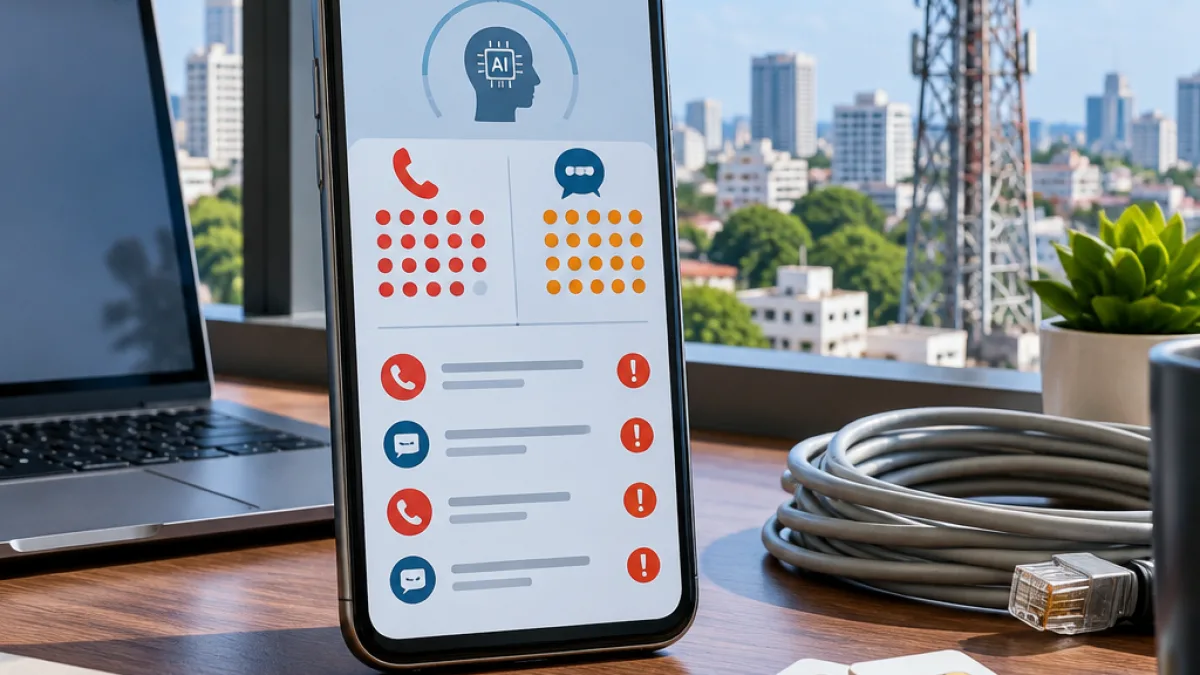
AI-based systems deployed by operators marked 18.28 billion incoming calls as suspected spam out of 705.96 billion calls received during the quarter. In the messaging segment, 1.62 billion SMS were flagged from a total of 854.4 billion incoming messages. TRAI said these systems study calling patterns to detect possible spam that originates from regular 10-digit numbers rather than authorised commercial communication channels.
Enforcement targeted senders and telecom resources
The regulator’s action extended beyond automated identification. Operators sent 4.59 million warning notifications to entities considered highly likely to be sending spam. Around 34,030 suspected unsolicited commercial communication senders underwent electronic know-your-customer verification during the quarter, while nearly 9,970 connections were disconnected after failing the verification process.
Consumer complaints also triggered penalties. Subscribers filed 1.529 million complaints about unsolicited commercial communication, of which approximately 723,000 were considered actionable. Following enforcement proceedings, 110,325 telecom resources were barred for 15 days and another 13,777 were disconnected for one year because of repeat violations. TRAI also blacklisted 374 senders and blocked 3,725 SMS headers.
- 18.28 billion suspected spam calls were detected during the quarter.
- 1.62 billion suspected spam SMS were identified.
- 1.70 billion promotional calls and 11.09 billion promotional SMS were blocked through registered DND preferences.
Most complaints came through the TRAI DND app
The TRAI Do Not Disturb app accounted for 92.9% of all UCC complaints, receiving 1.421 million reports between July and September 2026. This gives subscribers a direct channel to report unwanted commercial communication, while also providing the regulator with information for enforcement against repeat offenders.
However, the reach of DND preferences remains limited compared with India’s overall telecom base. As of 30 September 2026, only 224.49 million of the country’s 1.349 billion telecom subscribers had registered DND preferences. More than 1.12 billion subscribers therefore remained open to commercial communication from registered senders under the applicable preference framework.
Registered channels continue to carry commercial traffic
During the same quarter, India recorded 15.27 billion promotional calls made through the designated 140 series and 660.71 billion commercial SMS sent through registered channels. These figures distinguish authorised commercial traffic from suspected spam activity detected on regular numbers, which has become a central focus of the regulator’s monitoring systems.
For mobile users, the numbers show both the scale of unwanted communication and the role of reporting tools in enforcement. For operators and telemarketers, TRAI’s data places greater importance on AI-led pattern detection, sender verification, approved calling series and compliance with subscriber communication preferences. The regulator’s action also indicates that failing e-KYC or repeatedly breaching commercial communication rules can lead to temporary barring, disconnection and blacklisting.