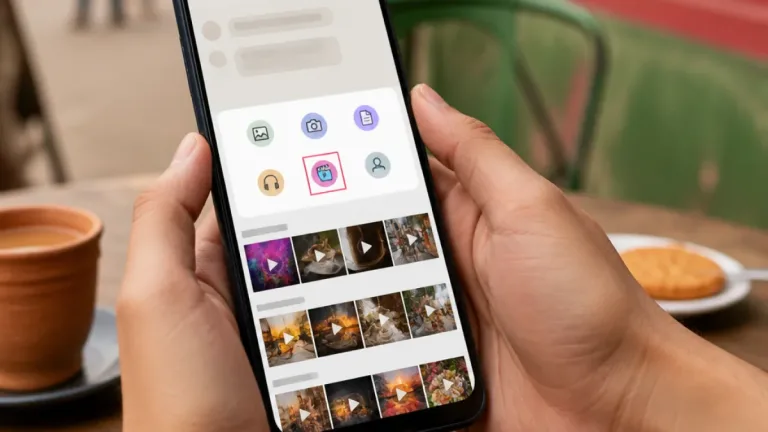
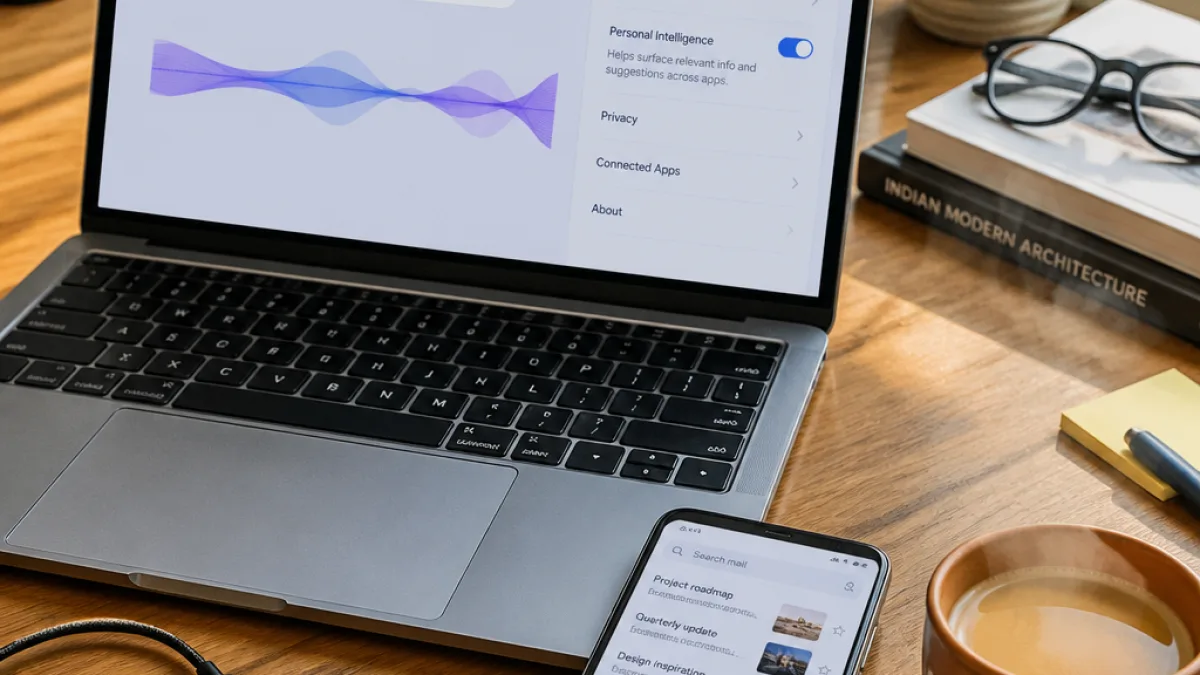
Google has updated its privacy policy to spell out how information from connected Google apps can be used by its artificial intelligence services. The change, published with effect from 16 October, explains that when a user enables Google’s Personal Intelligence features — used by Gemini and Search — those services may access content from other Google products such as Gmail, Google Photos and Drive to produce personalised answers.
What the policy says
Google's wording makes a distinction between directly harvesting data from Drive, Gmail or Photos for standard advertising and using data those apps provide to enhance AI-driven, personalised experiences. The company said that if a user allows a service like Search or Gemini to read data from their other Google services, that data can be processed to tailor content and responses.
“You may choose to allow certain Google services, including services like Search or Gemini Apps, to access data from other Google services you use, such as Google Photos and Workspace apps like Gmail and Drive, in order to provide you with a more personalised experience, subject to the policies and settings of the accessing service,” Google said in the policy update effective Oct 16.
Google added that personalised processing may extend to advertising: depending on a user’s settings, Search may process accessible data “to personalise content, including ads”. The update also reiterated limits on advertiser access and sensitive categories.
What Google says advertisers cannot see
According to the policy text, advertisers are not granted direct access to contents of Drive, Gmail or Photos, nor to personally identifying details such as a user’s name or email address. Google also stated that it will not show ads based on sensitive categories such as race, sexual orientation, religion or health.
- Personal Intelligence access: enabled services such as Search and Gemini may read data from connected Google apps to personalise responses.
- Ads and personalisation: personalised ads can be shown based on interests, activity or personalised content from Google services, depending on user settings.
- Advertiser limitations: advertisers do not receive Drive, Gmail or Photos content or identifying information, Google says.
How Indian users can opt out of data access
Google gave users a route to stop Personal Intelligence from using their app data by disconnecting connected apps in Search’s Personal Intelligence (Search Services Personalisation) settings. The published guidance begins with steps inside the Google Account settings:
| Action | Where to find it |
|---|---|
| Open Google Account | Account centre in Google settings |
| Navigate to Data and privacy | Under Personalisation and activity |
| Manage Personalised Recommendations | Search Services / Personalisation settings |
The policy text advises users to find the Connected Content or connected apps listing and disconnect any services they do not want Search or Personal Intelligence to access. The update does not alter Google’s statement that advertisers will not receive direct access to users’ personal files or identifiers.
For Indian users, the change clarifies how Google’s AI features tie into existing product permissions and privacy controls. It places the onus on account holders to review and adjust Search Services Personalisation settings if they do not want content from Gmail, Drive or Photos to be used to shape personalised answers or ad experiences.
The policy emphasises user choice: access to app data by Personal Intelligence depends on explicit permission settings for the accessing service. Users who prefer not to have their connected content used for personalised results or ads are directed to the account personalisation controls named above.