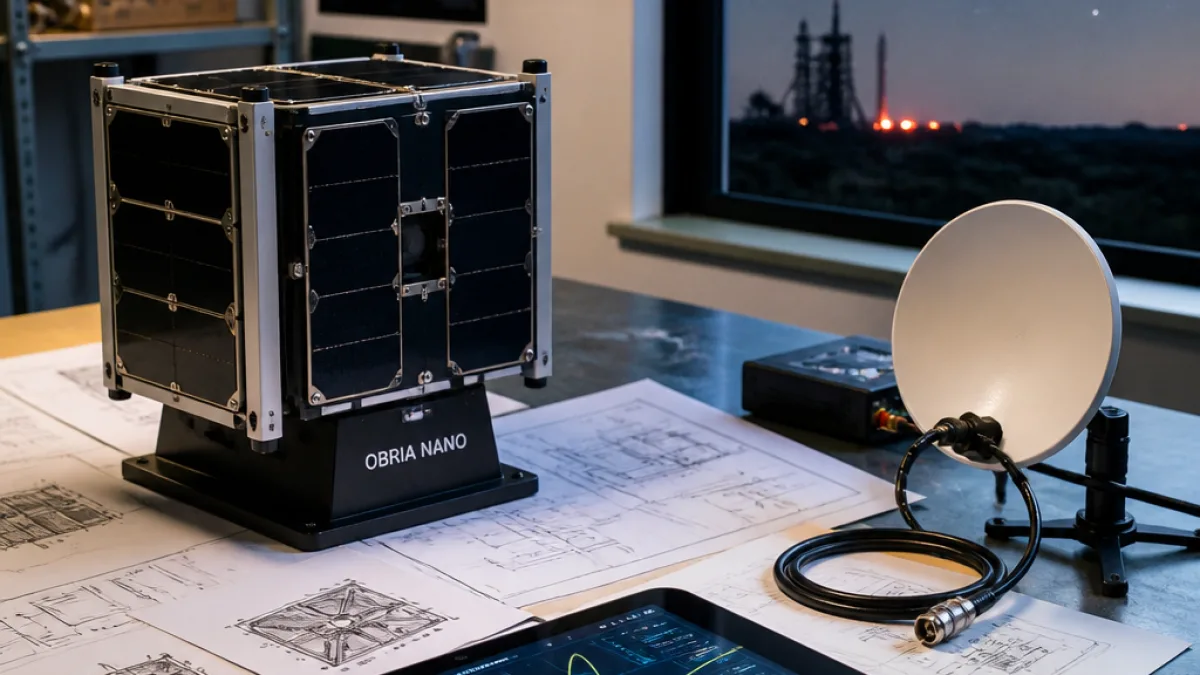
Ukraine’s defence‑technology firm Himera and Danish small‑satellite maker GomSpace have started testing OBRIA NANO, the first in a planned family of experimental spacecraft intended to underpin a future Ukrainian national communications network. Himera announced the start of tests on 27 October 2026, saying the satellite, launched on 1 October 2026, is operating as planned.
Launch details and test purpose
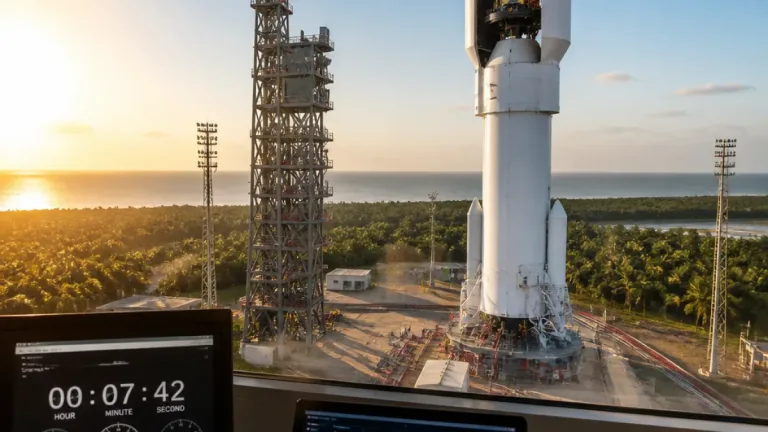
OBRIA NANO rode to low Earth orbit on a Falcon 9 as part of SpaceX’s Transporter‑18 rideshare mission, which SpaceX lists as having delivered 130 payloads into orbit. The Transporter‑18 launch departed from Vandenberg Space Force Base in California.
Himera and GomSpace say the spacecraft is a test unit: the trials will assess on‑board equipment and communications functionality ahead of subsequent deployments and a planned operator‑run Ukrainian service. The mission is described as experimental; it does not establish a public commercial service for civilians at this stage.
What the project aims to deliver
- Independent control: Himera says OBRIA’s network will be controlled by a Ukrainian operator and serve Ukraine’s strategic security needs.
- Resilience in wartime: the companies frame the effort as a way to diversify information‑transmission channels and improve communications resilience, especially under conflict conditions.
- Localisation goal: Himera has said that a future phase will seek local production of satellites and ground terminals in Ukraine to build domestic capability.
The companies involved position OBRIA NANO as a pathfinder: the technical trials are intended to provide practical experience needed to scale the project toward national infrastructure.
Partners and context
Himera, known in Ukraine for secure communications systems, is collaborating with GomSpace, a Copenhagen‑based smallsat supplier with customers in more than 60 countries. The joint effort follows growing international interest in resilient, sovereign satellite communications for defence and civil contingency purposes.
| Item | Detail |
|---|---|
| Satellite | OBRIA NANO (test satellite) |
| Launch vehicle | Falcon 9 (SpaceX Transporter‑18 rideshare) |
| Launch date | 1 October 2026 |
| Testing announced | 27 October 2026 by Himera |
| Orbit | Low Earth orbit (as delivered by Transporter‑18) |
| Rideshare payloads on mission | 130 (as per SpaceX) |
Himera has said the satellite’s tests will help the developers evaluate equipment performance and prepare for the next stages of the project. The company also indicated the long‑term plan includes complementing European satellite networks and providing communications coverage across Ukraine’s territory.
For Indian readers, the mission is an example of how smaller nations and specialist vendors are using low‑cost rideshares and off‑the‑shelf smallsat platforms to develop sovereign communications capabilities. The OBRIA NANO flight highlights the growing use of commercial launch services and international partnerships to accelerate national space and defence communications projects.